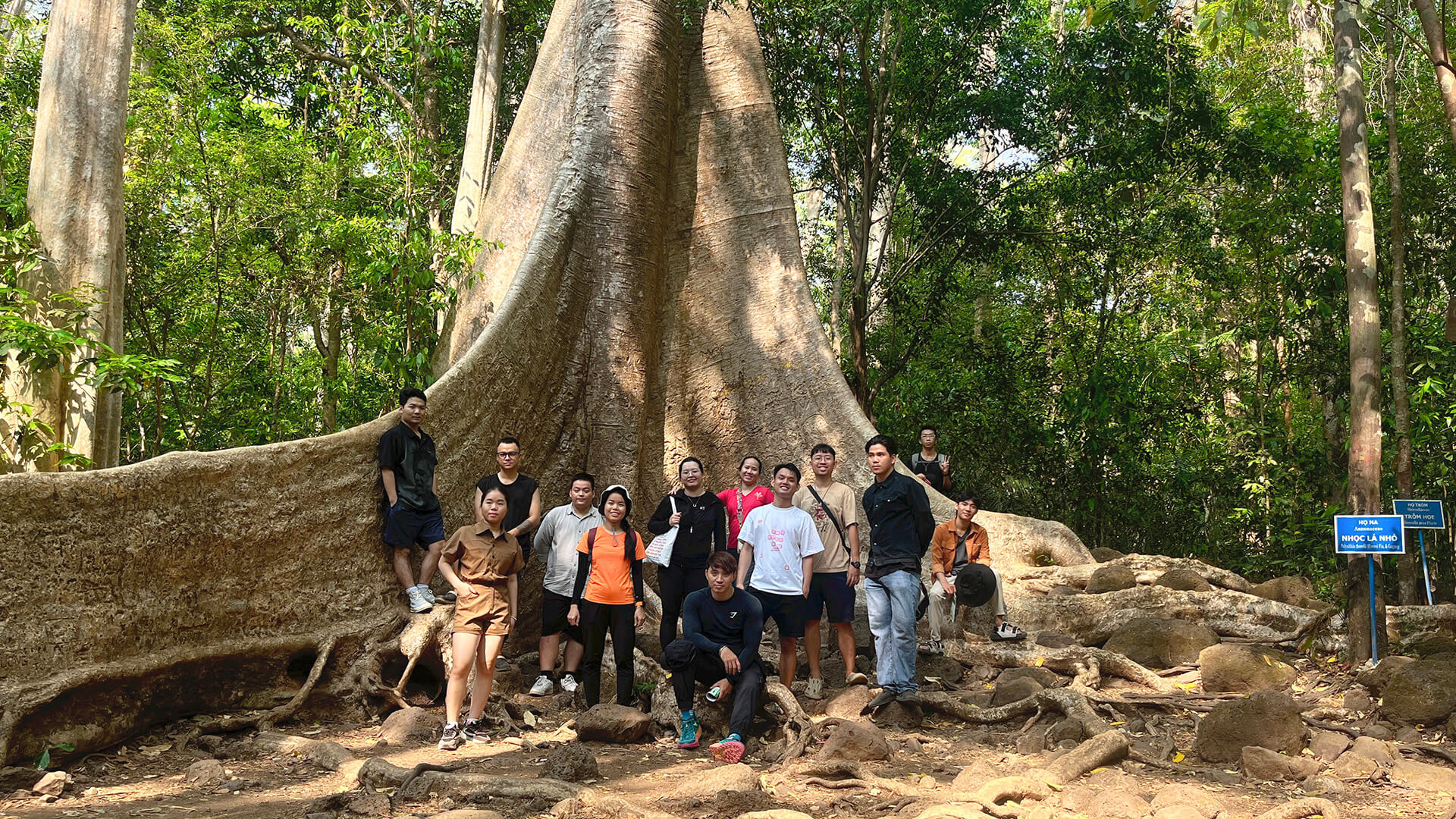

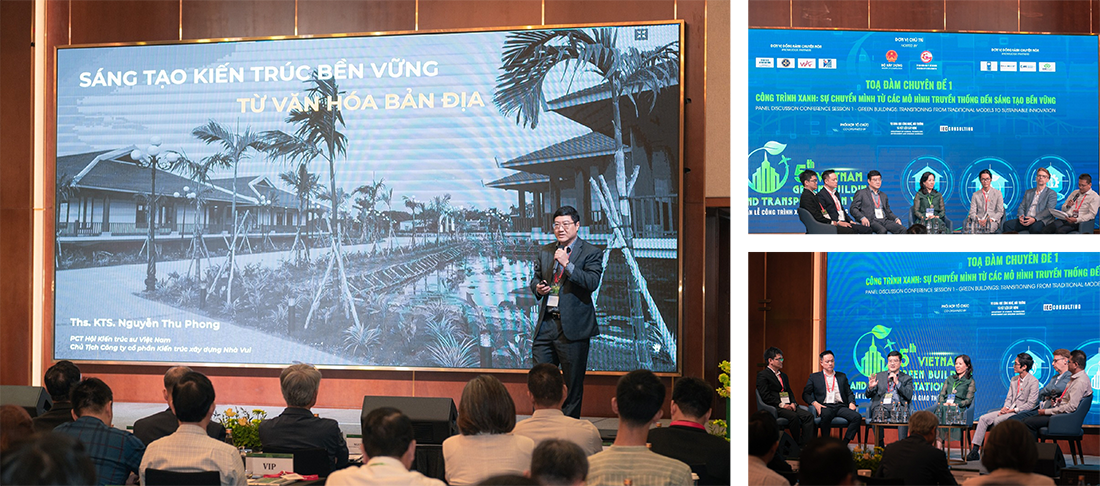
Creating sustainable architecture from indigenous culture
29 - 10 - 2025
In the context of the strong development of contemporary architecture, returning to learn about indigenous culture is not only an act of respecting the past, but also a sustainable direction to help Vietnamese architecture create its own identity. Folk knowledge, traditional forms of residence and harmonious relationships with nature have long formed a valuable system of values - completely able to continue to be inherited, created and developed in today's works.
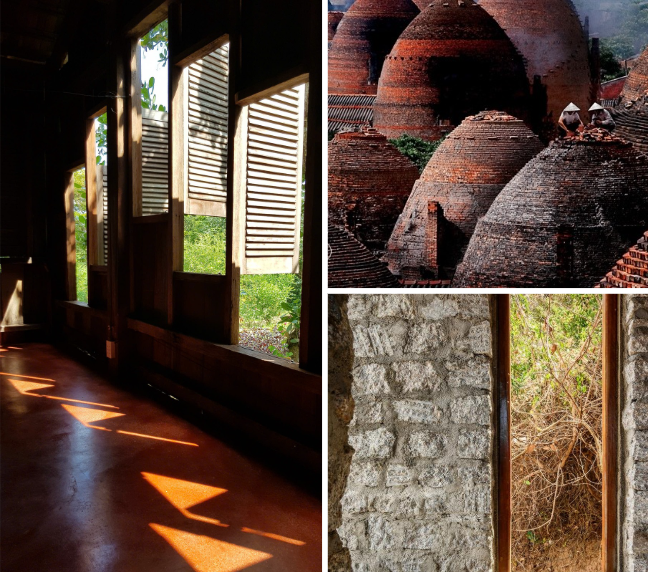
Local construction materials & techniques
Available materials such as wood, stone, bamboo, brick, rammed earth… along with traditional techniques such as rammed earth walls, thatched roofs – tiles, stilt houses, wooden truss structures demonstrate a deep understanding of the climate, terrain and local living conditions.
The greatest value of this group of elements lies in its environmental friendliness, ability to regulate microclimate and a feeling of closeness and rusticity.
Today, they are applied in community houses, eco-resorts, highland schools…, creating modern architecture while still retaining the “national soul”.
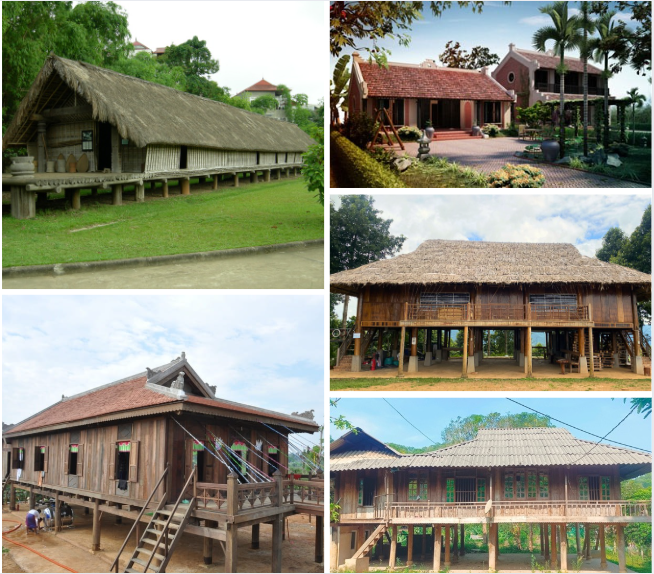
Architectural forms of houses and buildings
Models such as three-room houses, wooden houses, stilt houses or traditional spatial organizations provide important lessons in proportion, structure, ventilation and lifestyle.
They both meet living and spiritual needs and create a unique architectural language suitable for tropical climates.
In contemporary architecture, inheriting traditional forms helps cultural works, museums, community centers or tourist areas bear a strong mark and convey local stories.
Residential organization and living environment
Vietnamese villages or indigenous residential models are images of community, cohesion and harmony between people - production - nature.
Exploiting the residential - community element means creating friendly, humane, sustainable residential areas or craft - tourism villages, reflecting the philosophy of life of indigenous residents and increasing cultural attractiveness.

Landscape Architecture
The philosophy of “heaven – earth – human” is clearly expressed through the way Vietnamese people organize space in association with mountains, rivers, trees and natural terrain.
Indigenous landscape architecture brings harmony, symbolism and emotion – important elements in the design of parks, resorts, squares or spiritual spaces.
Exploiting indigenous culture in architecture is not only a respect for the past but also opens up a direction for sustainable development for the future. When traditional materials, residential forms, village organizations and indigenous landscapes are reinterpreted in modern design language, they create works that are both familiar and new, rich in identity but not outdated. This is the foundation for Vietnamese architecture to position its own values, nurture cultural identity and contribute to building a harmonious and humane living environment for future generations.
Share


Related News